

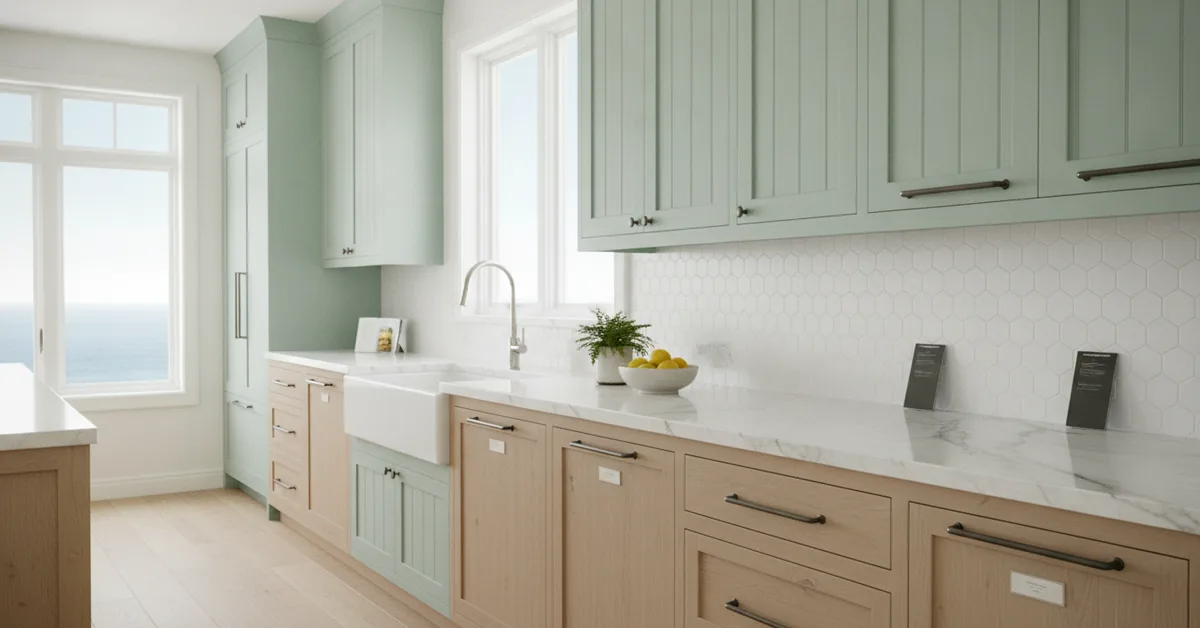
I remember walking into a stunning beachfront home in the Hamptons a few years back, just six months after a multi-million dollar renovation. The kitchen was a masterpiece, but my eyes immediately caught the tell-tale signs: tiny, orange-brown specks of rust blooming on the sleek, modern cabinet pulls. The homeowner was distraught. They’d paid a premium for what was sold to them as “marine-grade” hardware, yet the relentless salt air had already begun its corrosive work. This is a story I’ve seen play out too many times. In a coastal environment, the battle isn't just about style; it's a constant fight against chemistry, and the name on the box often doesn't tell you the whole story.
The Salt Air Litmus Test: Key Takeaways on Hardware Longevity
The term "stainless steel" is not a guarantee. The specific grade (like 316 vs. 304) and the quality of the finish are
- The term "stainless steel" is not a guarantee. The specific grade (like 316 vs. 304) and the quality of the finish are far more critical in preventing rust.
- Physical Vapor Deposition (PVD) is currently the gold standard for a durable, corrosion-resistant colored finish on hardware, outperforming traditional lacquers and plating.
- Solid, unlacquered brass and bronze are excellent choices as they develop a natural patina over time instead of rusting, embracing the coastal aesthetic.
- Regular maintenance is non-negotiable. Even the best materials require cleaning with fresh water and a soft cloth to remove corrosive salt deposits.
Beyond the Label: Deconstructing "Stainless Steel"
One of the biggest misconceptions I have to clear up for clients is that all stainless steel is created equal. It's not. Most standard kitchen hardware is made from Type 304 stainless steel. It’s a great, durable material for a typical home, but in a coastal setting, it contains just enough iron to be susceptible to pitting and surface rust when constantly exposed to salt spray. The chloride in salt air aggressively attacks the chromium oxide layer that gives stainless steel its “stainless” properties.
For true coastal resilience, you need to look for Type 316 stainless steel, often referred to as marine-grade. It contains an element called molybdenum, which significantly boosts its resistance to chloride corrosion. The difference in performance is not subtle; it's the difference between hardware that looks pristine after five years and hardware that shows rust spots after five months. Always ask your supplier for the specific grade of the steel, not just a generic assurance.
A Comparative Look at Anti-Corrosion Finishes
The base metal is only half the equation. The finish is your hardware's primary line of defense. Over the years in my workshop, I've seen finishes that peel, chip, and tarnish, leaving the metal underneath exposed and vulnerable. Here’s how the most common options stack up in the face of salt air.
| Finish Type | Mechanism | Pros | Cons | My Professional Take |
|---|---|---|---|---|
| PVD (Physical Vapor Deposition) | A thin layer of metal (like titanium nitride) is vaporized and bonded to the base metal in a vacuum. | Extremely durable, scratch-resistant, excellent corrosion resistance, wide range of colors. | Higher upfront cost, quality can vary by manufacturer. | This is my top recommendation for a colored finish (black, brass, bronze tones) in a coastal home. It's a molecular bond, not a coating, so it won't chip or peel. |
| Powder Coating | A dry powder is electrostatically applied and then cured under heat to form a hard finish. | Good durability, wide color selection, more affordable than PVD. | Can chip if struck hard, exposing the metal underneath to rust. Not as thin or refined as PVD. | A solid mid-range option, especially for less-frequently touched items. I inspect the application quality very carefully; a thick, even coat is essential. |
| Living Finishes (Unlacquered Brass/Bronze) | The raw metal is left unsealed to oxidize and change color over time. | Develops a beautiful, natural patina. Will not rust or peel. Hides fingerprints. | The look is not for everyone; the color will change and can be uneven. Requires occasional polishing if you want to restore shine. | Perfect for clients who appreciate a classic, evolving aesthetic. A living finish tells a story and works with the environment instead of fighting it. |
| Lacquered or Plated Finishes | A clear lacquer or a thin layer of another metal is applied over a base (often brass or zinc). | Initially looks pristine and shiny. Often the most affordable option. | The lacquer/plating is thin and can be compromised by scratches or salt, leading to pitting and corrosion of the base metal. | I strongly advise against these for coastal applications. They are the most common point of failure I see in otherwise beautiful kitchens. The salt air finds every tiny imperfection. |
The Unseen Enemy: Galvanic Corrosion
Here’s a technical detail that trips up even experienced builders. You have to consider not just the hardware, but the screws used to install it. I was once called to fix some beautiful, high-end bronze pulls that were showing strange corrosion around the screw holes. The problem? The installer had used standard, zinc-plated steel screws. When two dissimilar metals (in this case, bronze and steel) are in contact in the presence of an electrolyte (salt water/air), a small electrical current is created, which rapidly corrodes the less noble metal—the screw. This process, called galvanic corrosion, can seize the screw and damage the hardware itself. Always, always use screws made of the same material or a compatible one (like 316 stainless steel) as the hardware itself.
Your Action Plan for Selecting Coastal Hardware
Navigating these options can feel overwhelming, but a systematic approach ensures you make a choice that lasts. When I consult with a client on a coastal project, this is the process we follow.
- Define Your Aesthetic and Maintenance Tolerance: First, decide if you want a finish that remains pristine and unchanging (like PVD or 316 stainless) or one that evolves with a natural patina (like unlacquered brass or bronze). This is the most important fork in the road.
- Verify the Base Material: For a modern, unchanging look, demand proof of Type 316 stainless steel. For a classic look, confirm you are buying solid brass or solid bronze, not a plated zinc alloy. Get it in writing on your quote.
- Scrutinize the Finish: If you desire a colored finish like matte black or satin brass, ask specifically if it is PVD. If it's powder-coated, ask about their process and warranty against chipping. Avoid simple lacquered or plated finishes entirely.
- Request a Sample: Always get a physical sample. Feel the weight of it. A solid piece of brass or stainless steel has a satisfying heft that a cheap, plated zinc piece will lack. If possible, leave the sample outside near your home for a week and see how it fares.
- Confirm the Fasteners: Ensure the hardware comes with matching, corrosion-resistant screws. If not, you must source them separately. Do not let your installer use whatever screws they have in their truck.
Frequently Asked Questions from My Coastal Clients
- Is it worth paying the premium for a well-known, high-end hardware brand?
- Often, yes, but with a caveat. Reputable brands typically have better quality control, more consistent finishing processes (especially for PVD), and stand behind their products with better warranties. However, you are still paying for the name. The key is to verify the material and finish specifications regardless of the brand. I've seen smaller, specialized manufacturers produce superior coastal-grade hardware because it's their sole focus.
- How does humidity inside the home affect the hardware, even if windows are closed?
- It's a significant factor. Coastal homes have much higher ambient humidity. Even with air conditioning, moisture is present. This moisture can hold salt particles that enter the home through open doors or on clothing. Hardware on cabinets near stoves or sinks is particularly vulnerable, as steam can accelerate corrosion. This is another reason why a robust finish like PVD or a solid material like bronze is superior—they resist this constant, low-level atmospheric attack far better than a simple lacquer.
- Can I use interior-grade hardware if my home is a few miles from the ocean, not directly on the beach?
- The corrosive effects of salt air can travel several miles inland, depending on prevailing winds. I generally recommend coastal-grade hardware for any home within 5-10 miles of the coast. The cost difference for proper hardware is a small fraction of a kitchen remodel budget, but the cost of replacing pitted, rusted hardware in a few years—both in money and aggravation—is substantial. It's a classic case of 'an ounce of prevention is worth a pound of cure'.